Featured Offer: AI Accelerators
Industry-optimized AI tools designed to solve your toughest challenges in weeks, not months.
Capabilities
Discover Our Benefits & Values



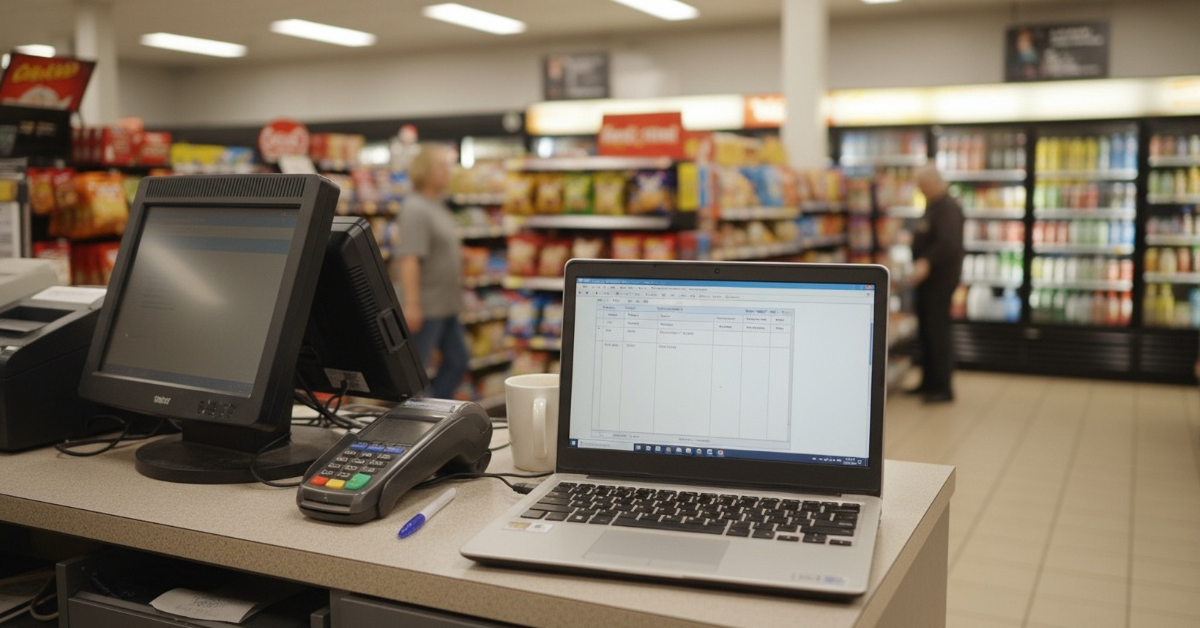

In my role, I spend a lot of time talking with brands about customer experience and what actually keeps people coming back. One thing I keep seeing is that loyalty is easy to talk about when everything is working. The harder test comes after something goes wrong.
Convenience brands invest heavily in loyalty programs, mobile apps, foodservice, personalized offers, and promotions, all designed to earn that next visit.
Then a reward does not show up. An app will not cooperate. A foodservice order is wrong. A refund is needed. A store experience misses the mark.
In that moment, the customer is not thinking about points or perks. They are deciding how easy the brand is to deal with when they actually need help.
That service moment has a direct connection to loyalty. In its 2026 customer experience roundup, Zendesk cites research showing that 49% of customers who left a brand they had been loyal to in the previous year did so because of poor customer experience. Customers are also 2.4 times more likely to stick with a brand when their problems are solved quickly.
A loyalty program can create reasons to return. Guest support can determine whether those reasons survive a bad experience.
That is why support should be treated as part of the loyalty experience, not as a separate back-office function. When a frequent customer has a problem, the speed and consistency of the response become part of the value exchange.
Long queues, repeated explanations, inconsistent answers, and slow follow-up add friction at exactly the moment the relationship needs recovery. A good offer can bring someone back. A poor recovery experience can give them a reason not to bother.
For a multi-location convenience brand, the challenge is not simply answering the interaction. It is answering it in a way that feels like the same brand every time.
A loyalty question should not get one answer in one channel and a different answer somewhere else. The same is true for refunds, foodservice complaints, app issues, or store-level concerns. Guests do not experience those as separate operating systems. They experience one brand.
Consistency matters because service recovery is not just about closing a case. It is about protecting trust after the experience has already gone off course.
The other missed opportunity is the information inside the conversation itself.
One loyalty complaint may be an isolated problem. Ten similar complaints across locations may point to something very different.
If that information lives in call notes, email threads, or manual follow-up, the organization can resolve individual interactions and still miss the pattern.
Guest support should leave the business smarter than it found it. That means capturing what happened, where it happened, how the customer felt, how it was resolved, and whether the same issue is showing up elsewhere.
This is where the conversation about AI in guest services gets more practical.
The useful question is not whether every customer interaction should be automated. It should not. The useful question is whether routine interactions can move faster and more consistently while the existing team remains available for exceptions, judgment, and service recovery.
That is also why the operating model matters. A new guest-service capability should not require a brand to replace its telephony, vendors, systems of record, or support team just to test whether the idea works.
A focused starting point is usually more valuable: one support area, one agent, one repeatable workflow. Measure the experience, the operational impact, and the quality of the information being captured. Then decide whether to expand.
If loyalty is part of the business case, the measurement should go beyond whether the call was answered.
Those are operational measures, but together they tell a loyalty story. They show whether the brand is making it easier or harder for a customer to stay in the relationship after something goes wrong.
Loyalty is not only earned when the promotion works. It is also earned when the experience does not.
The brands that treat guest support as part of the loyalty system have an opportunity to do two things at once: resolve the immediate issue and learn enough from the interaction to reduce the chance of repeating it.
That is a more useful standard for modern guest service. Resolve the interaction. Protect the relationship. Improve the next one.


Technology & Process for Growth
601 Valencia Ave, Suite 260
Brea, CA 92823
Call us: 1-866-749-7658
No Comments Yet
Let us know what you think