
Featured Offer: AI Accelerators
Industry-optimized AI tools designed to solve your toughest challenges in weeks, not months.
Capabilities
Discover Our Benefits & Values


Industry-optimized AI tools designed to solve your toughest challenges in weeks, not months.
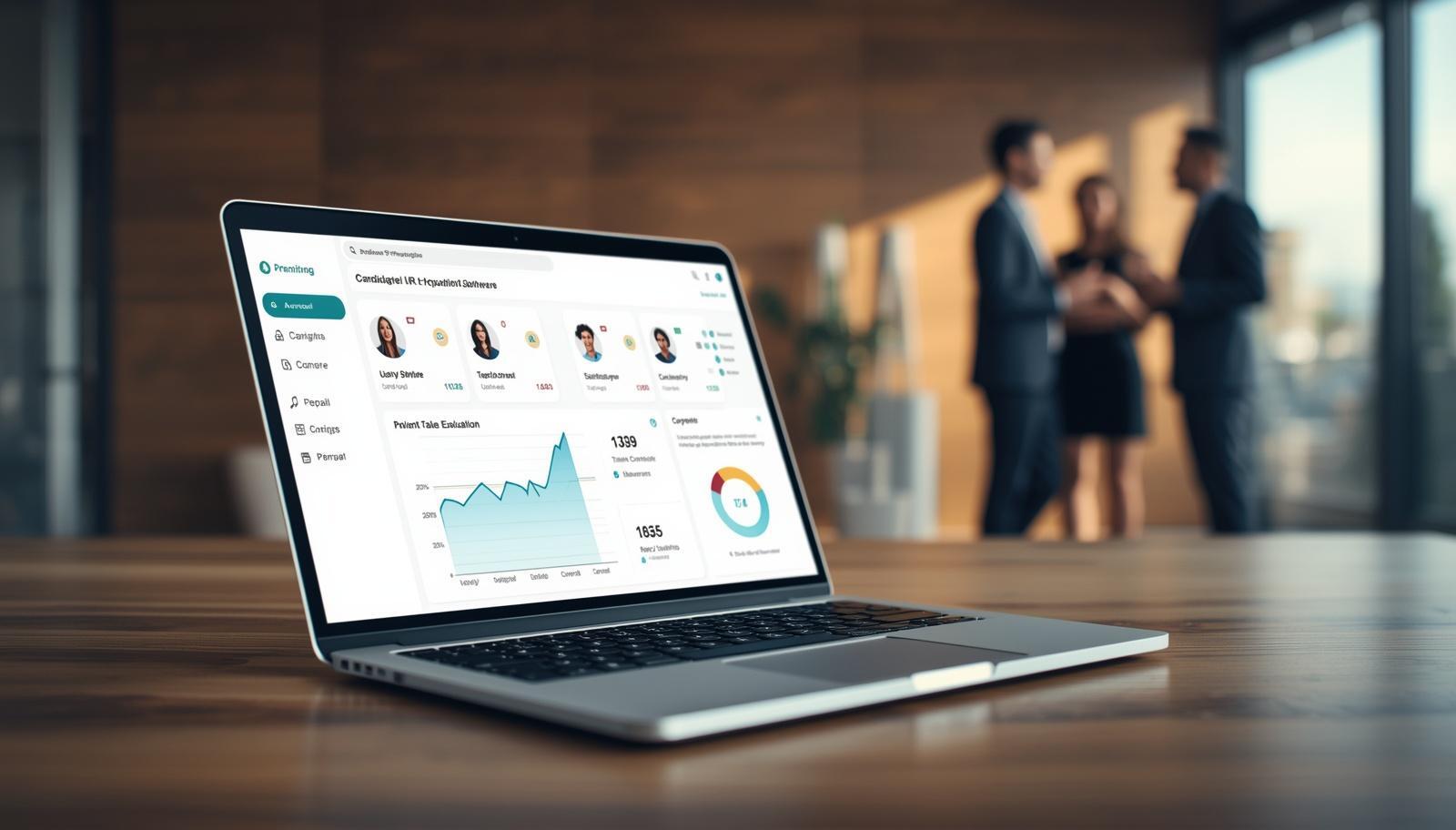

Imagine buying a high-performance sports car, taking it to the track, and realizing halfway through the first turn that nobody installed the seatbelts.
That is exactly what is happening in talent acquisition right now. Recruiting teams are adopting artificial intelligence at a staggering rate. We use smart algorithms to source passive candidates, screen thousands of resumes, and even conduct initial behavioral assessments. The raw capability of this technology is brilliant. Yet, a massive gap exists between what these tools can do and the rules governing how we use them.
The technology is sprinting forward, but internal policy is barely jogging. We need to address this gap before it causes lasting damage to how we build our teams.
At Solugenix, this is a deliberate line we are paying close attention to. Today, our use of AI in recruiting is focused on assistive functions such as sourcing and market intelligence. We have intentionally not extended AI into automated decision-making. That is not a limitation of the technology. It is a conscious choice about control, accountability, and candidate experience.
This approach is increasingly relevant based on what we are seeing across the industry.
Many leaders assume that handing hiring tasks over to a machine automatically removes human bias. We want to believe that computers are perfectly objective. Because of this, companies lean heavily on artificial intelligence to make rapid-fire decisions about who moves forward in the hiring pipeline and who receives a rejection.
But this reliance creates a serious lack of transparency. Candidates frequently interact with complex systems they do not fully understand. They submit their carefully crafted resumes into a digital black box. They remain entirely unaware of how a machine parses their experience, scores their skills, or why they get an automated rejection email just three minutes after applying.
Here is the reality we must confront: AI does not automatically eliminate bias. In many cases, it does the exact opposite.
Machine learning models train on historical hiring data. If your company's past hiring decisions favored certain demographics or specific universities, the algorithm learns those preferences. It will then replicate and amplify your historical biases at lightning speed.
Furthermore, when leaders implement these systems poorly, the candidate experience severely degrades. Job seekers feel like they are shouting into an empty void. Trust becomes a central issue. Top-tier professionals want to work for companies that value them as individuals. If highly qualified candidates feel alienated by a rigid, robotic screening process, they will simply take their talents somewhere else.
To fix this, we must fundamentally reframe how we view this technology. For the past few years, we treated AI strictly as an efficiency tool—a glorified calculator designed to parse resumes and schedule calendar invites.
Today, AI acts as an active decision participant. When an algorithm scores a video interview or ranks a list of finalists, it is directly shaping the future of your workforce. This level of influence requires strict human oversight and deep accountability. Our internal governance must evolve right alongside our technological capabilities. We cannot let the machine run the entire show.
This was a consistent theme at Transform 2026, one of the leading HR and Talent Acquisition conferences. Across multiple sessions, topics like accountability, explainability, and oversight came up repeatedly. The general sentiment was clear: AI adoption in recruiting is accelerating faster than most organizations’ ability to govern it.
One point stood out in particular. The rules have not caught up to reality. Organizations that wait for regulations to define acceptable use will likely find themselves reacting too late.
How do we build a balanced hiring machine? It starts with putting clear guardrails in place to protect both the business and the job seeker.
Define exactly where artificial intelligence is allowed to make decisions and where a human must step in. For example, you might allow a system to sort applications based on minimum certifications. However, a human recruiter must review the top twenty candidates before the system sends out any automated rejections.
Tell candidates when and how you use artificial intelligence in your hiring process. A simple, plain-language disclaimer on your career page builds massive trust. Let applicants know if a machine will read their cover letter or if an algorithm will assess their initial screening questions.
The absolute best hiring outcomes rely on human-plus-AI workflows. Use technology to handle the heavy lifting of data processing and initial sourcing. Then, rely on human empathy, emotional intelligence, and critical thinking to evaluate cultural alignment and leadership potential.
Getting your governance right delivers a powerful business impact that goes far beyond compliance.
First, you build a significantly better candidate experience. Job seekers appreciate fairness, clarity, and respect. Second, you drastically reduce legal and reputational risks. Regulatory bodies worldwide are already looking closely at algorithmic bias in employment. Getting ahead of this curve protects your brand and your bottom line. And critically, you protect access to high-quality talent. Candidates with options are far less likely to engage with opaque, automated processes.
Right now, many companies fall into the exact same traps regarding talent technology.
They completely lack a written policy or governance framework for algorithmic hiring. They chase efficiency and end up over-automating too early, stripping all the human touch out of their candidate interactions.
The biggest gap is a total misalignment between human resources, legal, and technology teams. A talent leader buys a shiny new tool, IT implements it, and the legal team never gets to review the data privacy implications until a rejected candidate files a formal complaint.
The integration of artificial intelligence in recruiting is completely inevitable. The tools are too powerful to ignore. However, unmanaged adoption creates massive organizational risk.
The companies that win the next decade of talent acquisition will not just be the ones using the smartest technology. They will be the organizations that perfectly balance digital speed with careful human oversight.
Let's keep the conversation going. Are your recruiting tools outpacing your internal policies? Connect with your TA and HR teams today to review your current processes, or reach out to me directly for more information on building a responsible, transparent hiring framework.
These Stories on AI




Technology & Process for Growth
601 Valencia Ave, Suite 260
Brea, CA 92823
Call us: 1-866-749-7658
No Comments Yet
Let us know what you think