Featured Offer: AI Accelerators
Industry-optimized AI tools designed to solve your toughest challenges in weeks, not months.
Capabilities
Discover Our Benefits & Values



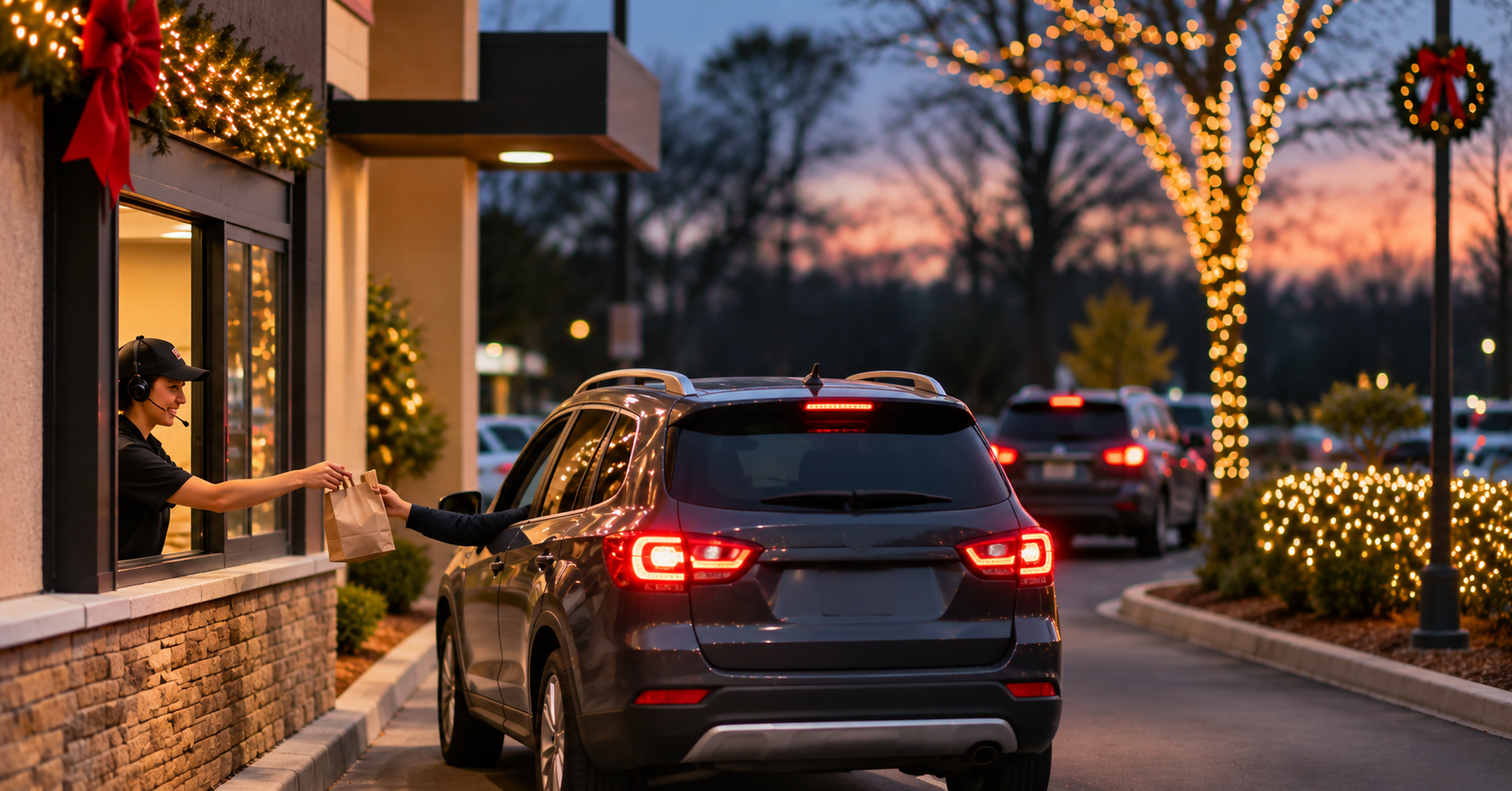

It's 6:40 p.m. on the Saturday before Christmas. The drive-thru line wraps the building, two new crew members are on their third shift and the kitchen display just stopped showing mobile orders.
The general manager figures the fix is probably simple. She just doesn't know who owns it. She calls the help desk, hears it looks like a network issue, calls the network vendor and gets orders flowing again 25 minutes later. By then, a handful of mobile guests have shown up to find no food, and a few refunds are on their way.
I've worked in restaurant and retail technology for more than 20 years, and I've watched some version of that night play out at almost every multi-unit brand during peak.
At the store, that's a rough half hour. From the CIO's seat, it's a question of scale. How many times will some version of it happen across the system between now and New Year's? And who at headquarters will know before the refund report comes in?
Peak season rarely creates new problems. It takes the ones you already have and runs them at full volume. Three things change at once in November and December.
Volume. Every minute a register, kiosk or kitchen screen is down costs more when the line never empties. Throughput is the number that matters most this time of year, and store tech problems hit it directly.
People. Crew turnover is a fact of life in QSR, and the holidays add new hires and extra shifts on top of it. Most stores quietly run on experienced managers who know the workarounds. During peak, those managers are stretched thinnest, and the newest crew members are the least likely to know which vendor owns which system.
Channels. Drive-thru, front counter, kiosks, the mobile app, several delivery marketplaces, loyalty offers and gift cards all hit store systems at the same time, often with holiday promotions pushing every one of them. Each is an integration point, and most have their own vendor.
A full outage gets everyone's attention, and most brands have a plan for it. The holiday damage usually comes from smaller problems that repeat across hundreds of stores and never show up as a single incident.
Payments and POS. A frozen terminal or a card reader that drops its connection stops the line cold. It's often a quick fix, if the person at the store knows what to try and who owns it.
Digital orders. When a mobile or delivery order doesn't reach the kitchen screen, the guest finds out first. The store finds out when the guest shows up angry, or never shows up again.
Loyalty and promotions. Holiday offers drive traffic, and they also drive questions. A reward that doesn't apply at checkout turns a promotion into a complaint. Nicole Pigeon wrote about why that moment matters so much in "Your loyalty program is only as strong as the support around it."
The handoff. This is the one that eats the most time. The POS provider says it's the network. The network provider says it's the ordering platform. Meanwhile the general manager is making all the calls, and nobody at headquarters sees how long it took. We've called it vendor ping-pong, and peak season is when it hurts most.
There's still time, and none of these require a new platform. They're mostly decisions, and they're a lot easier to make now than on Dec. 20.
Pick a date after which no POS updates, menu pushes or configuration changes go to stores unless something is broken, and get operations and your vendors to sign on. A routine update that misbehaves in October is an annoyance. The same update on the busiest Saturday of the year is a systemwide incident.
For your 10 most common store problems, name who takes the first call and who stays accountable until it's fixed, across vendors. If the answer is "it depends," that's the issue most likely to bounce between your POS, network and ordering providers when it matters most.
New crew members shouldn't need to know which vendor runs which system. One number or one chat, staffed for your real operating hours, including early openings and late holiday closes, keeps the GM on the floor.
One store reporting a printer problem is a ticket. Twelve stores reporting it the same morning means something changed. During peak, someone should be looking for that pattern every day and flagging it before it spreads.
Ticket counts and resolution times are useful, but they won't tell your CFO much. Track what the problems cost: downtime during peak hours, refunds tied to tech issues and repeat problems by store. I made this case in more detail in "Five Minutes, 500 Stores, and Where Margin Disappears." Those numbers also make January's conversation with your vendors much shorter.
Solugenix runs store technology support for QSR and multi-unit brands. Our team becomes the single place stores call, owns the problem across vendors and tracks it until it's fixed, so managers can stay with their guests. We also watch for issues across locations before stores have to report them, and we use AI to handle routine requests like device resets and password problems so our people can focus on the harder ones.
In one restaurant environment, Solugenix helped cut support costs by 40%, call volume by 30% and refund costs by 25%, while keeping customer satisfaction above 95%.
If you're heading into peak and aren't sure your support model will hold, let's talk. And if it's too late to change anything this year, keep a list of what broke and what it cost. That list is the best place to start 2027 planning.
Thank you for reading! You're welcome to connect with me on LinkedIn.
As EVP at Solugenix, I work with CIOs, Retail Technology leaders, and Digital Innovation executives to deliver top-tier customer support services and CX initiatives. With over 20 years of experience, I’ve helped implement leading solutions for global brands in retail, restaurants, and financial services.
Solugenix leads in IT services, offering comprehensive technology solutions, talent, and managed services to global enterprises. We specialize in complex, highly regulated industries, helping clients stay competitive with technology-driven growth.




Technology & Process for Growth
601 Valencia Ave, Suite 260
Brea, CA 92823
Call us: 1-866-749-7658
No Comments Yet
Let us know what you think